Innovative Roof Cleaning Solutions for Lasting Home Protection

Roof Cleaning improves both the appearance and longevity of homes.

Roof Cleaning

Over time, roofs accumulate dirt, algae, and moss that damage shingles. These issues reduce structural integrity and increase repair costs. Modern cleaning strategies focus on efficiency, safety, and preservation. Homeowners benefit from preventive maintenance and aesthetic restoration.

Soft washing has become a preferred cleaning method. Low-pressure water combined with eco-friendly solutions removes buildup gently. This approach avoids damage to shingles and tiles. Longevity and surface protection are the primary goals.

Algae growth is a common roof problem. It causes discoloration and can deteriorate roofing materials. Chemical and natural treatments work to eliminate it safely. Preventive applications reduce recurring infestations.

Moss and lichen contribute to roof decay. These organisms trap moisture, which accelerates wear. Manual removal or soft washing eliminates them effectively. Preventing regrowth is essential for long-term maintenance.

Environmental impact is a key consideration in modern roof cleaning. Biodegradable detergents prevent harm to plants and water systems. Sustainable methods reduce chemical runoff. Eco-conscious approaches are now industry standard.

Seasonal factors influence roof cleaning schedules. Wet climates promote moss and algae, while windy areas accumulate debris. Planning maintenance according to local conditions maximizes results. Timing ensures both safety and effectiveness.

Proper safety equipment is essential. Harnesses, non-slip footwear, and ladders prevent accidents on steep surfaces. Trained professionals minimize risks while performing thorough cleaning. Safety protocols protect workers and homeowners alike.

Roof inspections often accompany cleaning. Technicians identify cracked shingles, damaged flashing, and water damage. Early detection prevents expensive repairs. Combining inspection and cleaning enhances roof health.

Gutter maintenance complements roof cleaning. Blocked gutters cause water backup, which damages shingles and fascia. Clearing debris ensures proper drainage. Integrated maintenance prevents leaks and structural issues.

Preventive coatings extend roof lifespan. Water-repellent and UV-resistant treatments protect surfaces after cleaning. Coatings reduce algae growth and improve aesthetics. Regular application maintains effectiveness over time.

Technology enhances modern roof cleaning. Telescopic cleaning systems, drones, and soft-wash equipment improve precision. Inspections are faster, safer, and more accurate. Technology ensures better outcomes with minimal risk.

Solar panels require specialized care during roof cleaning. Gentle techniques avoid scratches and maintain efficiency. Cleaning schedules consider both roof and panel health. Proper handling preserves energy production and roofing materials.

Metal roofs demand non-abrasive cleaning methods. High-pressure washing can strip protective coatings and accelerate rust. Soft washing with pH-neutral solutions prevents damage. Maintenance extends material life and maintains appearance.

Tile and slate roofs need careful handling. Fragile materials are prone to cracking under pressure. Soft washing and brushing remove debris without harming tiles. Longevity and appearance are preserved through gentle techniques.

Preventing moss regrowth is essential. Zinc or copper strips release ions to naturally inhibit growth. This method reduces the need for repeated chemical treatments. Preventive measures complement cleaning efforts.

Energy efficiency benefits from roof cleaning. Algae and dirt reduce sunlight reflection, affecting insulation. Clean surfaces improve thermal performance. Homeowners save on energy costs while preserving roof health.

Debris management is a key step. Leaves, pine needles, and dirt trap moisture and cause rot. Regular removal protects shingles and prevents staining. Maintenance ensures a clean, functional roof surface.

Storm damage can necessitate emergency cleaning. Fallen branches, accumulated leaves, and rapid moss growth require immediate attention. Prompt intervention prevents leaks and structural damage. Being proactive minimizes repair costs.

Green roofs require specialized cleaning and maintenance. Soil, plant roots, and irrigation systems complicate access. Professionals remove debris without harming vegetation. Healthy green roofs contribute to sustainability and insulation.

Integrated inspection and repair improve roof performance. Minor cracks, loose shingles, and flashing issues are addressed during cleaning. Combining tasks reduces future maintenance needs. Proactive care ensures long-term protection.

Roof pitch determines the cleaning approach. Low-slope roofs allow safer access, while steep angles require harnesses and professional expertise. Techniques are selected based on safety and efficiency. Custom strategies ensure effective cleaning.

Water management affects both cleaning and longevity. Proper slope, gutters, and drainage prevent pooling and leaks. Cleaning supports efficient water flow. Preventing moisture accumulation protects both roof and structure.

Soft washing solutions often include oxygenated bleach. This effectively removes moss, algae, and stains without damaging surfaces. The solution penetrates deeply to prevent regrowth. Results are long-lasting and visually appealing.

Cleaning frequency depends on material and climate. Shingles in shaded or damp areas may require annual treatment. Sun-exposed roofs accumulate dirt more slowly. Customized schedules optimize maintenance and cost efficiency.

Roofs in urban environments face additional pollutants. Dust, soot, and air particles accumulate, accelerating wear. Regular cleaning preserves color and surface integrity. Urban maintenance extends roof lifespan despite environmental stressors.

Surface coatings enhance aesthetic and functional results. Reflective and protective layers maintain color and resist algae growth. Coatings reduce maintenance frequency and improve curb appeal. Combining cleaning and coatings ensures lasting protection.

Cleaning prevents secondary damage. Moisture trapped under moss leads to wood rot and interior leaks. Timely removal prevents shingles from buckling or cracking. Preventive maintenance protects the entire roofing system.

Drones provide a safe way to inspect roofs before cleaning. High-resolution images reveal damage and potential hazards. This minimizes on-site risk for technicians. Drones allow detailed evaluation without compromising safety.

Soft washing is preferable for flat or low-sloped commercial roofs. Gentle detergents remove dirt and prevent material degradation. High-pressure washing risks membrane damage. Proper technique ensures longevity and safety.

Cleaning restores curb appeal and property value. Algae and stains create unsightly streaks. A clean roof improves overall aesthetics. This is particularly important for homes preparing for sale.

Environmental factors dictate cleaning chemical selection. Sensitive plants and nearby water systems require biodegradable options. Careful application prevents ecological harm. Eco-conscious methods balance safety and effectiveness.

Professional training improves outcomes. Knowledge of materials, cleaning solutions, and safety protocols ensures high-quality results. Untrained methods risk damage and inefficient cleaning. Expertise is essential for effective roof care.

Roof cleaning also helps detect early leaks. Moisture stains and weak spots become visible during debris removal. Addressing them early prevents interior damage. Combined cleaning and inspection is both preventative and corrective.

Temperature affects cleaning effectiveness. Extreme heat or freezing conditions can reduce chemical efficiency. Professionals plan cleaning schedules to optimize results. Timing ensures both safety and thorough cleaning.

Roof vents and skylights require careful attention. Debris around these areas can block airflow and cause water damage. Specialized cleaning prevents leaks and maintains function. Integrated maintenance protects all roof components.

Soft washing extends the lifespan of most roofing materials. Gentle methods prevent shingle erosion and tile cracking. Longevity is increased while aesthetics are preserved. Routine maintenance ensures continued protection.

Moss and algae removal improves structural integrity. Moisture held by organic growth accelerates rot. Cleaning prevents shingle decay and maintains waterproofing. Structural benefits complement visual improvements.

Roof coatings often include anti-microbial agents. These prevent regrowth of algae and moss. Surfaces stay cleaner for longer periods. Maintenance intervals are extended, reducing overall cost.

Roof cleaning today emphasizes safety, sustainability, and efficiency. Proper technique, eco-friendly solutions, and preventive measures define modern standards. Homeowners gain durable, attractive, and protected roofs. Regular cleaning ensures both functionality and visual appeal.

Future trends include drone-assisted cleaning and advanced biodegradable solutions. Technology enhances inspection, treatment, and preventive care. Roofs are maintained more efficiently with reduced environmental impact. Modern roof cleaning integrates science, innovation, and sustainability for long-lasting home protection.
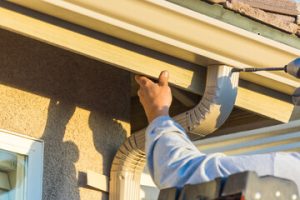
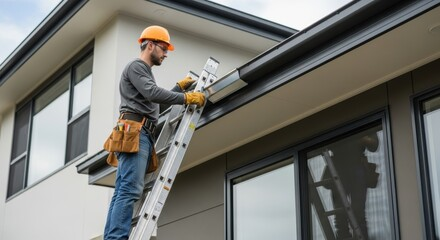
Why Every Home Needs Quality Gutter Installation

Gutters are a vital component of any home that protects it from water damage and leaks. They also play a critical role in directing rainwater away from the foundation of your home.

Gutter Installation

Proper gutter installation and regular maintenance will ensure they work effectively for years to come. To install gutters properly, you must take precise measurements of the roofline and account for any corners or angled areas.

While gutters might seem like a minor architectural detail, they play a major role in protecting your home from structural damage and costly repairs. They also affect the longevity of your roofing system and contribute to curb appeal, making it important to choose the right style and material for your needs. Gutters can be made from a variety of materials and come in a wide range of shapes, sizes and colors. It’s essential to consider the climate and architectural demands of your Canastota, NY property when choosing a gutter solution.

The right size of gutters is essential for ensuring proper function. A faulty gutter system can lead to overflowing and water damage, so it’s important to evaluate your roof’s square footage and pitch before determining the ideal gutter size. A professional can help you assess your roof’s drainage needs and provide recommendations based on the local climate and rainfall intensity.

Gutters must also be properly positioned to ensure proper water management. Downspouts should be located every 30 feet, or at each corner, to direct water away from the foundation of your house. Downspout extensions and splash blocks can help further protect your foundation from erosion and cracking.

The most popular gutter type is vinyl, which offers a cost-effective option and comes in a range of colors and styles to complement any architecture. However, they don’t hold up as well against heavy rains and can become brittle with age, so regular inspections and maintenance are recommended. A metal gutter system is a more durable and long-lasting choice that can be customized with a range of accessories and downspout extensions. It is also more resistant to corrosion, but it is typically more expensive than vinyl options.

For the most aesthetic appeal, copper gutters are an option that will add a timeless touch to any home. They are more expensive than other materials, but they’re highly durable and can last for decades with proper maintenance. They also develop a beautiful patina over time, adding a luxurious finishing touch to the exterior of your home.

Preparing the Roofline

Gutters are essential for preventing water damage to the home’s foundation and walls, and they also help prevent soil erosion around the house. However, improper gutter installation can result in clogged gutters and downspouts that cause water to overflow and leak into the building. This can lead to costly repairs and a less attractive appearance for the home. This is why it’s important to hire a professional to install a high-quality gutter system that will protect the home from water damage for years to come.

Before you can start installing the gutters, it’s important to prepare the roofline for the project. This involves checking for existing gutters, ensuring that the fascia board is free of any cracks or mold and removing any wood that’s cracked, broken, or rotten. It’s also important to ensure that the gutter is at the correct pitch to allow for proper water flow into the downspout. A professional can advise on the best pitch for your particular roof and property.

Once the roofline is ready, it’s time to install the gutter brackets. It’s important to use corrosion-resistant screws when attaching the brackets, as this will ensure that they remain in place for years to come. It’s also a good idea to test the stability of each bracket before moving on to the next one, as poorly-secured gutters are more likely to sag or pull away from the roofline during storms.

The next step in preparing for gutter installation is to mark the slope of the roofline with a chalk line. This will serve as a guideline for the gutter installers when positioning the downspouts and making sure that the gutters are at the correct slope to allow for proper drainage.

Once the chalk line has been marked, it’s time to begin installing the gutter sections. It’s a good idea to have all of the tools you’ll need on hand before beginning the project, as this will make the process go more smoothly. Once the gutters have been installed, it’s a good idea to run some water through them to make sure that they are properly sealed and that they function correctly.

Installing the Gutters

A gutter system is an essential part of a home that protects against water damage. Its role is to divert rainwater away from the house’s foundation, preventing soil erosion and preserving the structural stability of the building’s foundation. A gutter system is also vital to the health of a property’s landscaping and garden. A poorly functioning gutter system causes puddles of water to form on the ground, which can cause softening and compaction of the soil. This can lead to soil erosion, destroying the foundation of plants and the structure of the turf and garden. Gutter systems with proper slopes and drainage systems prevent these problems.

The process of installing a gutter system involves careful measurements and attention to detail. This is especially important for homes with angled or curved sections of the roofline, which require specialized corner connectors and angled gutter pieces. Accurate measurements are also crucial to ensuring the correct gutter lengths and downspout placement, preventing overflow and water run-off during heavy rainfall.

Once the measurements are completed, it’s time to start assembling the gutters. First, the gutter hangers are attached to the fascia board using screws and corrosion-resistant fasteners. Then, the gutter sections and downspouts are connected to the hangers with connectors. Ensure that the downspouts are placed at an even distance from the corners of the roofline. This will prevent the gutter from clogging and overflowing.

After the gutters are installed, apply a high-quality waterproof sealant to all seams and connections. Allow the sealant to dry according to manufacturer instructions before testing the system. Run a hose through the gutters to check for any leakage or gaps and make necessary adjustments.

Gutter installation is a complex task, but it’s one that can be made easier with the help of a professional. A seasoned gutter installer will understand the intricacies of a home’s roof structure and provide comprehensive advice on what steps need to be taken to ensure optimal functionality and longevity. Clear communication with the installer about the condition of existing gutters, if applicable, is also critical for navigating any potential challenges efficiently.

Installing Downspouts

The key to safeguarding your home or building from structural damage is a well-functioning gutter system, which efficiently directs rainwater away from the foundation. Without downspouts, your home may develop unsightly stains and other problems due to water pooling. Downspouts can be a great way to protect your home or dwelling from such issues, and addressing any existing gutter problems quickly will help to ensure that downspouts are able to function properly.

Downspouts are essentially pipes that connect to your gutter system and carry the excess water from the gutter into the ground. They are typically installed along the sides of your home or building, directing water away from the structure and into the yard.

There are several options available for downspout installation, with square downspouts being popular for their modern aesthetic and compatibility with various gutter systems. Round downspouts are more traditional and highly effective at directing water, with their circular design minimising blockages. They are also a great option for older homes that require a more classic appearance.

While downspouts are designed to effectively divert and carry water, they can easily become blocked with debris such as leaves, twigs, and soil. Regular cleaning, particularly during the fall and spring when these materials are more likely to be present, is important to maintain a functional and healthy gutter system. A quality gutter protection system can also help to reduce maintenance requirements by reducing the amount of debris that enters the downspouts, thereby preventing clogs.

When downspouts are not functioning properly, they can lead to serious water damage, including rot, cracks, and mold. This is why it is important to install and maintain gutters and downspouts in a manner that is appropriate for the climate, as well as the location of your property.

A seasoned professional can provide you with expert advice on the best gutter and downspout solution for your property, as well as the best installation methods to prevent leaks and other potential damage. Their expertise will enable you to save time and money, while ensuring that your new gutters are professionally installed for optimal performance.

Sagging Gutters – Repair Or Replace? A Decision Guide

Colorado Springs Gutters

Gutters are an important part of keeping your home safe from water damage. However, they can deteriorate over time due to normal wear and tear or improper maintenance.

If you notice your gutters sagging, it’s important to address the issue right away to avoid costly structural damage. This guide will walk you through the causes of sagging gutters, preventive measures, and effective solutions. Contact Colorado Springs Gutters for more details.

1. Damaged Gutters

Gutter systems are an important part of your home’s drainage system, directing rainwater away from your roof, walls, foundation, and landscaping. But over time, gutters can deteriorate, leading to damage. If you notice any signs of damage to your gutters, it’s important to take action immediately.

One of the most obvious indicators that your gutters need repair or replacement is damage caused by storms. Look for cracks, holes, and sagging sections of the gutter, especially after seasonal storms or periods of heavy snowfall. Also, look for water stains or other evidence of gutter overflow. If left unchecked, these issues could cause further problems like rotting siding and foundation shifts.

Another sign that your gutters need repair or replacement is if they are full of debris or clogged frequently. A clogged gutter isn’t only unsightly, but it can also be an ideal environment for insects and rodents. In addition, overflowing gutters can leave water stains on your home’s exterior and damage your landscaping.

Regular gutter cleaning can prevent these issues, but if your gutters are regularly damaged by storms or old age, it may be time to consider a replacement. Other signs that your gutters are beyond repair include pervasive rust, extensive sagging, or irreparable cracks or separation from the structure of the house.

If you’re not sure whether your gutters need to be repaired or replaced, it’s a good idea to get a professional inspection. A reputable Denver gutter contractor will be able to assess the condition of your gutters and recommend the appropriate solution.

Gutter repairs can be as simple as scrubbing or spraying down the gutters, sealing small holes, replacing loose screws and flashing, adjusting slope, or cutting and securing new sections of gutter. In some cases, however, complete replacement may be the best option. For example, if your gutters are over 20 years old or have sustained significant rusting, it might be more cost-effective to invest in a new system with advanced materials and seamless design. These systems will not only protect your home from damage but also increase its value and curb appeal.

2. Old Gutters

Gutters are important because they help to direct water away from your home’s walls, windows, foundation, and other features. However, over time, they can become clogged and start to collect water near your foundation, which can cause serious damage. This is why it’s important to keep an eye on your gutters and replace them when needed.

If you’re noticing signs of collecting water or mildew near your foundation, it might be time to get new gutters. If you’re unsure about whether or not your gutters are damaged, an expert roofer can inspect them and let you know about your options.

Another sign that your gutters are old is if they have minor fissures. This can lead to a leaky or overflowing gutter, so it’s important to get them repaired as soon as possible.

In addition to leaking, another sign that your gutters are old is fading or eroding paint. This can indicate that your gutters have been leaking for a long period of time, which can cause damage to the rest of your home’s exterior and interior.

Gutter materials can also affect the look of your home, so it’s important to choose a style that compliments your house. K-style gutters are the most common style and are sold in a variety of colors, making them suitable for most homes. However, if you have an older home with half round gutters, it might be more appropriate to upgrade to a built-in or box gutter system.

This style of gutter is concealed within the roofline and works well with modern and contemporary home styles. It’s also a good option for homeowners who want to minimize maintenance and upkeep.

If you’re looking for a gutter that blends seamlessly with your historic home, consider choosing a copper or seamless aluminum gutter system. These gutters are made of high-quality materials that can withstand Pennsylvania’s seasonal temperature changes. They’re also more durable than traditional gutters, which makes them a smart investment for your Greater Chadds Ford property. Additionally, copper gutters will turn that gorgeous verdigris color over time and add a beautiful aesthetic to your home.

3. Gutters That Don’t Drain Properly

Gutters are designed to collect and carry water away from your roof, fascia boards, and siding. If the gutters become clogged or damaged, they won’t be able to do their job effectively. That’s why it’s so important to maintain your gutter system with regular cleaning and inspections. If you’re experiencing sagging gutters, it’s time to take action.

Observe your gutters from the ground and on a ladder to see if there are any visible gaps or sagging between the brackets. If the gutters are sagging, it’s likely due to excess weight from the buildup of water and debris. In this case, repairing the gutters is typically the best solution.

Start by inspecting the gutter spikes. If you find any that are loose or broken, use your hammer and pry bar to remove them. Replace the old spikes with new ones that have threading to help them stay securely attached to your fascia board. When installing the new spikes, be sure to place them every two to three feet along the gutter line.

Then, determine where the sagging is occurring. If the sagging is happening near one of your downspouts, install a new downspout in that area to help alleviate the weight. You can also try adding an extension to your existing downspouts to help drain water more efficiently.

Another possible cause of sagging is that your gutters weren’t installed properly from the beginning. This could include using too few hangers to support the gutters, improper gutter sloping or pitches that prevent proper water flow towards downspouts, and incorrect sealing or caulking methods. This type of issue is best handled by professional roof repair long island experts familiar with local weather conditions and common problems.

Once you’ve inspected your gutters and determined the root cause of the problem, it’s time to get started. If your gutters aren’t rotting and don’t require replacement, you can fix them by re-attaching loose sections with new brackets and reinforcing the slope. However, if the gutters are rotting or have significant damage, you may need to replace them completely.

4. Gutters That Aren’t Installed Properly

When gutters aren’t installed properly, they can cause serious damage to the roof and foundation of a structure. Incorrect installation can also lead to leakage, which could affect the inside of the house. In addition, gutters that aren’t properly sloped can overflow and cause water damage to the walls of a home.

One of the most common issues associated with improper gutter installation is a sagging slope. This is a problem that can affect the entire length of the gutters, causing them to detach from the fascia and other elements of the property’s exterior. This issue should be repaired as soon as possible to prevent further damage to the property and its structures.

Another common problem associated with improper gutter installation is incorrect sizing. If a gutter is too large for the size of a building’s roof, it can lead to overflow during heavy rains and even spillover down the sides of the building. Incorrect sizing can also lead to clogs, which will further undermine the effectiveness of the drainage system.

It is also important that a gutter be positioned correctly underneath the edges of the roof to ensure that they capture all runoff without overshooting. A poorly positioned gutter can also lead to standing water, which can be hazardous to the roof and surrounding landscaping.

Gutters that aren’t installed properly can also erode the soil around the foundation of a building, resulting in costly and unsightly landscape repairs. It is important to check the soil around a building’s foundation on a regular basis and repair any areas that are damaged. Gutters that aren’t positioned correctly can also contribute to this erosion, so it is important to make sure that the gutters are properly positioned and angled.

It is also a good idea to regularly inspect the gutters and other components of the drainage system for signs of wear and tear. This can help to catch any minor problems before they become more serious. In some cases, a localized section of the gutter may only need to be replaced rather than the entire gutter. This can be an effective cost-saving solution in cases where the gutters are only damaged in a small section of the property.