A roof tells the story of every home it protects. It bears the weight of time, weather, and the countless days that pass beneath it. When it falters, everything below feels its strain. Roof Repair becomes more than maintenance—it becomes restoration.
Every crack or missing shingle speaks of exposure. Even small issues can invite greater damage if left unnoticed. Water can seep through, insulation weakens, and interiors begin to fade. Repairing at the right time preserves both structure and peace of mind.
A strong roof defines comfort in unseen ways. It guards against storms, sun, and seasonal shifts. When it fails, the home loses its shield. Roof repair restores that unseen strength that gives security to daily life.
The need for repair often begins subtly. A faint stain on the ceiling, a musty smell, or a slight dip in alignment signals hidden damage. Addressing these early prevents expensive replacements later. Attention now saves regret later.
Roofs endure a constant cycle of expansion and contraction. Heat, rain, and wind test their endurance each season. Over time, even the best materials yield. Regular inspection reveals where repair is due before crisis strikes.
Roof repair is not merely about patching holes. It’s about restoring the integrity of an entire system. Every layer—from underlayment to surface—plays a role in protection. Neglecting one weakens them all.
Homeowners often delay repairs until problems become visible. But visible damage means the problem has already spread. Moisture may have traveled through beams or insulation long before signs appear. Swift intervention is the best defense.
Repair begins with understanding what the roof has endured. Age, design, material, and climate all dictate its condition. An expert eye identifies which repairs extend life and which require deeper intervention. Knowledge guides every decision.
Some repairs involve replacing small sections, while others demand structural reinforcement. Both aim for one goal—restoring full performance. A roof must breathe, drain, and insulate properly to serve its purpose. Precision defines success.
When repairs are neglected, damage escalates exponentially. Water intrusion encourages mold, wood rot, and weakened foundations. These silent consequences often cost more than initial maintenance would have. Prevention is always cheaper than restoration.
Roof repair also improves energy efficiency. Gaps, cracks, and leaks allow conditioned air to escape, raising energy costs. By sealing and restoring surfaces, temperature stability returns. Efficiency begins at the top.
Modern repair techniques now focus on sustainability. Instead of full replacement, partial restoration reduces waste. Eco-friendly materials and sealants provide durability with minimal environmental impact. Roof repair has evolved into conscious craftsmanship.
Roofs are more than barriers; they are breathing systems. Proper ventilation prevents trapped heat and moisture. Repairs often include restoring vents and insulation balance. These details keep homes comfortable year-round.
A repaired roof not only performs better but also looks better. Clean lines, fresh materials, and uniform colors enhance curb appeal. It gives the home a renewed sense of dignity. Beauty often follows function.
Even commercial structures rely heavily on timely roof repair. Flat roofs in particular require constant vigilance. Pooling water, loose seams, or worn membranes can disrupt entire operations. Maintenance ensures productivity never halts.
For older homes, roof repair preserves history. Original materials are handled with care, and craftsmanship restores authenticity. Each fix becomes part of the home’s evolving story. Preservation meets practicality.
Roof repair also strengthens safety. Loose tiles, sagging beams, or weakened joints can become hazards during strong winds. A secure roof eliminates risks before accidents occur. Safety starts above.
Homeowners often underestimate the emotional comfort a strong roof brings. It’s a silent assurance that the family inside is protected. Repairing it reaffirms that security. Peace of mind often comes from unseen repairs.
After major storms, inspections are vital. Even minor debris impact can create micro-damage invisible from the ground. Professional assessment ensures that hidden weaknesses don’t turn into leaks later. Caution prevents catastrophe.
Technology now plays a growing role in roof repair. Drones and infrared scans detect damage without invasive procedures. This precision leads to faster, more accurate repair decisions. Innovation has lifted roof work into a new era.
Seasonal care complements major repairs. Clearing gutters, checking flashing, and trimming overhanging branches reduce strain. These small acts extend the life of repairs and delay replacements. Maintenance protects investment.
Repairing rather than replacing also builds sustainability. Extending a roof’s lifespan reduces material waste and energy used in manufacturing. Eco-conscious homeowners now view roof repair as a responsible choice. Preservation meets principle.
Waterproofing is often part of comprehensive repair. Sealants reinforce weak points where water tends to infiltrate. This layer of protection becomes invisible armor. It keeps homes dry and stable through every storm.
Proper timing matters in roof repair. Working during mild weather allows materials to cure and bond effectively. Planning repairs seasonally prevents sudden disruptions during harsh conditions. Preparation enhances durability.
For metal roofs, corrosion control is key. Early treatment prevents rust from spreading across panels. Cleaning and coating maintain longevity and structural strength. Small restorations lead to long-term resilience.
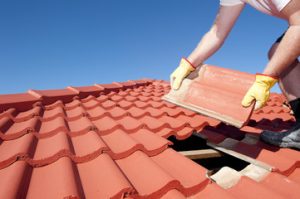
Tile and shingle roofs demand careful handling. Replacing broken pieces must blend seamlessly with existing ones. Skillful repair ensures that aesthetics remain consistent. Every fix becomes invisible art.
Roof repair also enhances property value. Potential buyers value well-maintained homes over neglected ones. A documented history of repair gives confidence to new owners. Careful upkeep translates into real estate advantage.
Insurance claims often depend on timely repair. Documentation and quick response after damage demonstrate responsibility. Reliable repair services streamline this process. Proactive action secures coverage.
Soundproofing is another overlooked benefit of roof repair. Sealed gaps reduce noise penetration from outside sources. This creates a calmer, more private living environment. Repair becomes an investment in comfort.
Reliable contractors bring expertise that ensures quality. From assessing damage to applying modern materials, their precision defines results. Skilled labor transforms aging roofs into resilient structures. Quality workmanship endures longer.
Roof repair doesn’t always require complete disruption. Many modern techniques allow partial section work without full teardown. This saves time and minimizes intrusion for homeowners. Efficiency and effectiveness meet in harmony.
Moisture barriers form an essential layer during repairs. They protect against condensation buildup that could harm insulation. Replacing or restoring these layers ensures dryness throughout all seasons. Small details sustain big results.
Roof edges, valleys, and flashing areas require special attention. These points often collect debris and face the most wear. Reinforcing them during repair prevents recurring issues. A complete system works only when all parts are sound.
In areas with heavy rainfall, slope integrity determines longevity. Repairing drainage pathways ensures smooth runoff. Proper water flow prevents pooling that weakens materials. Gravity becomes the roof’s ally when design works right.
After repair, maintenance should never stop. Annual inspections detect early signs of wear and preserve the roof’s renewed strength. A good roof ages gracefully when given care. Longevity follows attention.
Interior comfort improves instantly after repair. Leaks stop, drafts vanish, and insulation regains performance. Families feel the change without always realizing its source. The roof quietly restores balance to the home.
Roof repair is also about pride of ownership. A well-maintained home reflects discipline and respect for the space one inhabits. Each repair adds to the home’s story of resilience. Preservation becomes personal.
Choosing when to repair instead of replace often depends on assessment. If the foundation remains strong, repair extends value. Replacement becomes necessary only when structure and material both fail. Wisdom lies in timing.
Homeowners investing in roof repair often find peace in reliability. Knowing the structure above is sound changes how they feel about their home. It transforms anxiety into assurance. Stability radiates downward.
Technological coatings now make repaired roofs more reflective. This improves energy efficiency by reducing heat absorption. Cooler interiors mean lower energy consumption. Innovation meets sustainability in practical ways.
Roof repair services today emphasize transparency. Digital reports, images, and progress tracking build trust between professionals and clients. Clarity strengthens collaboration. Every repaired roof tells a story of shared care.
Clean-up and disposal are also vital parts of responsible repair. Removing debris safely ensures surrounding property stays protected. Every step, from dismantling to finishing, follows a process of respect. Order defines professionalism.
Storm-resistant upgrades can accompany repairs. Wind clips, reinforced shingles, and impact-resistant materials offer added peace of mind. Preparing now prevents future loss. Proactive roofing saves tomorrow’s worries.
Each repair contributes to long-term home health. A roof in good condition protects electrical systems, walls, and foundations. It shields everything that makes a house livable. Roof repair sustains life within.
The beauty of roof repair lies in its simplicity and significance. It’s both technical and emotional. It restores safety while renewing pride. Every repaired roof becomes a symbol of resilience and foresight.
Weather will always test what stands above us. But every act of repair becomes a declaration against decay. It’s the homeowner’s quiet promise to preserve what matters. Roof repair, in its essence, is care made visible.
At its core, roof repair represents hope. Hope that a home remains strong despite the storms it faces. Hope that maintenance today ensures peace tomorrow. Through every repair, homes—and their stories—endure.